
The lid takes the first blow
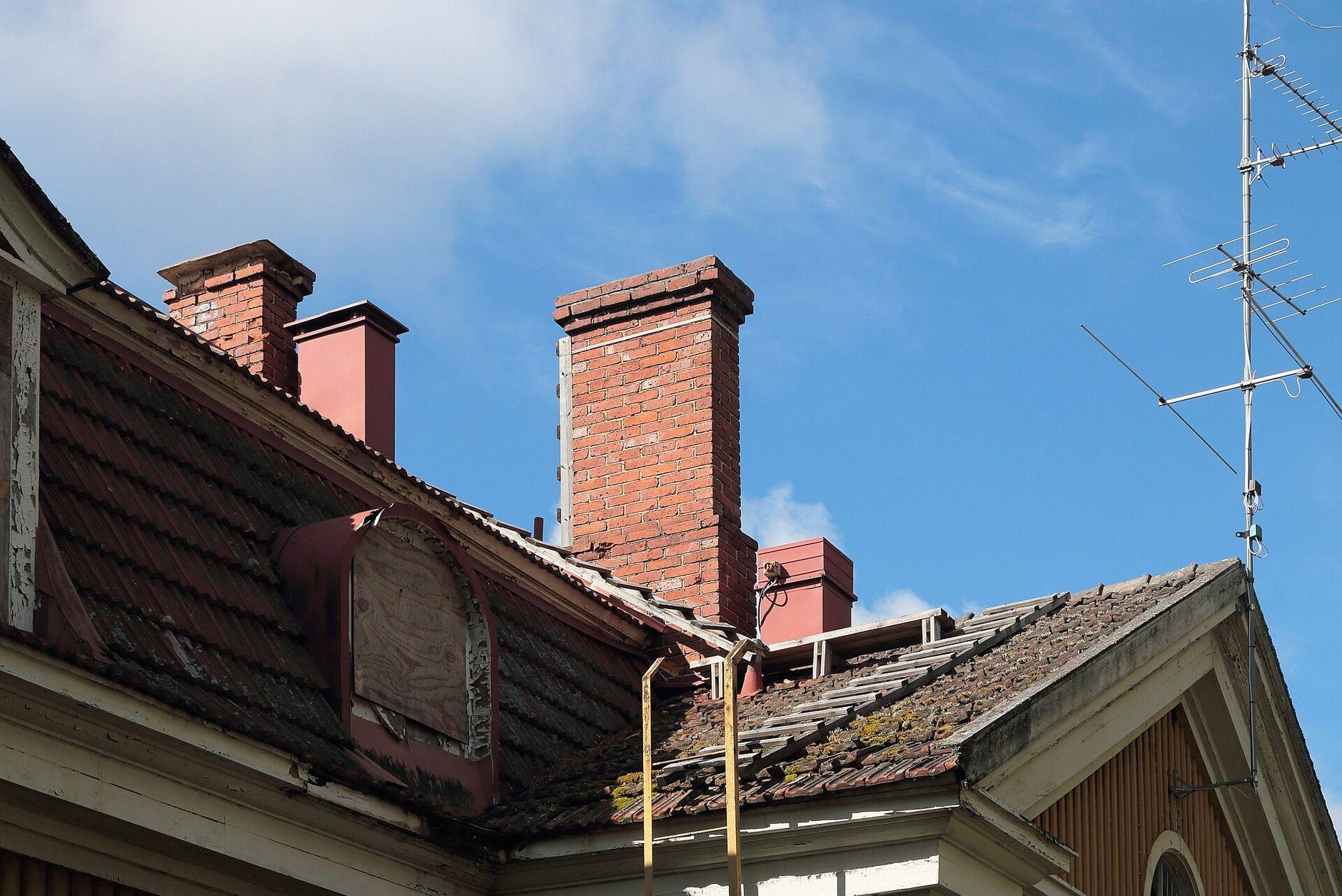
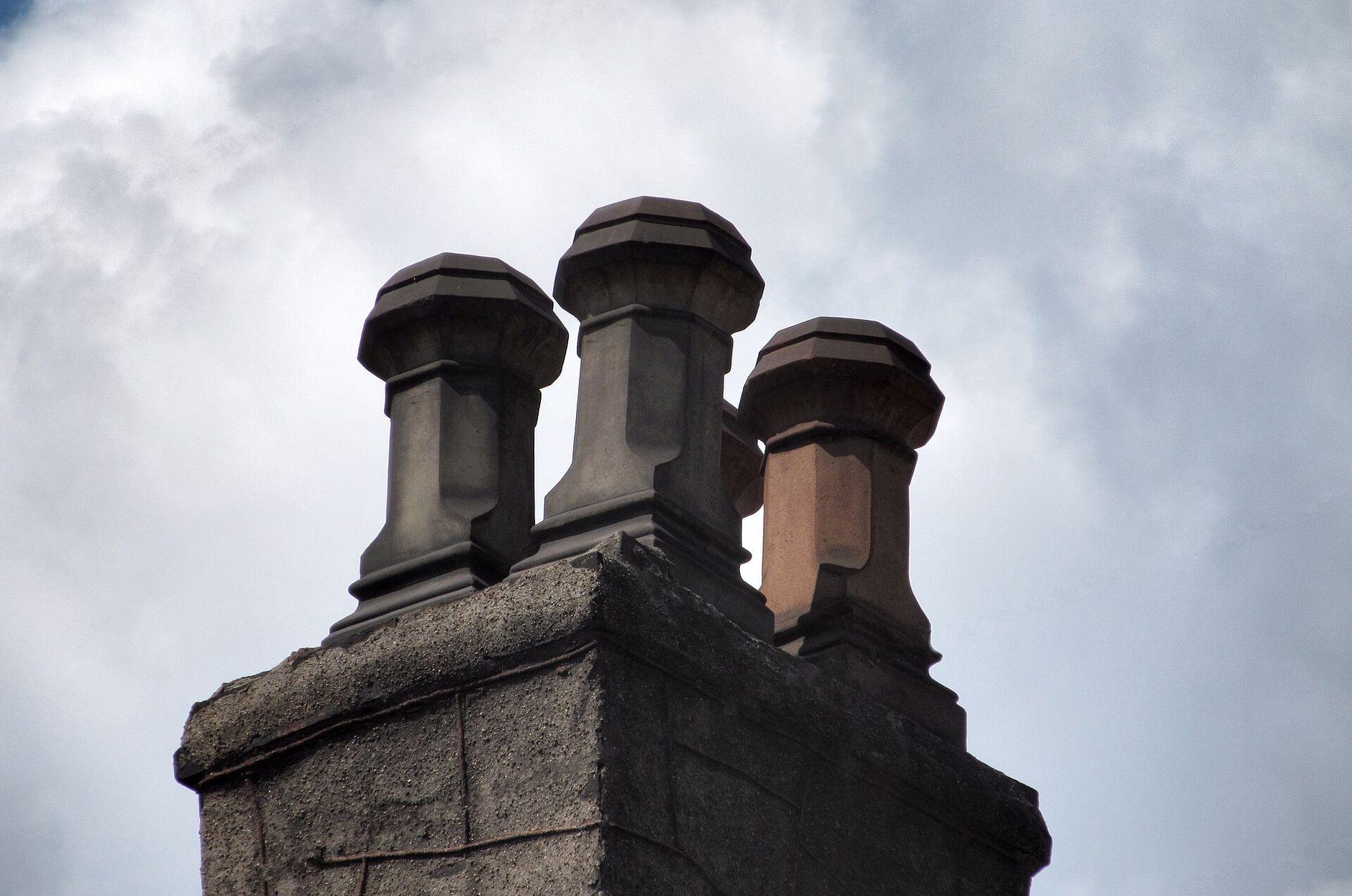
On a brick chimney, the crown is the concrete or mortar lid laid over the last course, with the flue tile rising through its middle. It is the highest, most exposed piece of masonry on the house, and in a quake it gets hit from two directions at once. The stack beneath it sways, and the tile in its centre moves on its own rhythm. Where the lid was poured tight against the tile, the two push against each other until the slab gives, usually at the corners or in a line straight out from the tile.
Owners in Aliso Viejo tend to find out from a roofer or after the first heavy winter rain, when a brown mark appears on the ceiling near the fireplace. By then the crack has often been letting water into the brick for a while.
Why a cracked top matters more after a quake
A shaken stack has mortar joints that are already strained, some of them opened by a hair. Rain coming through a split crown runs straight down into those joints. It washes out the fine material in the mortar, it rusts any steel ties or a damper frame below, and it softens the very joints that will be asked to hold the brick together in the next shake. A crown crack is small. What it feeds is not.
Summer heat adds its own slow damage. The slab expands in the sun and shrinks at night, and a crack that started with the quake grows a little with every cycle.
Three ways we sort a cracked crown
Fine cracks, slab still gripping the brick. When the crown is still firmly attached to the brick and the cracks are surface-deep, we brush a crown repair compound over the whole top. It stays pliable and bridges the cracks, and it costs far less than replacing the slab.
Slab broken or lifting. When pieces have come loose or a crack runs right through, coating is wasted money. We break the old slab off down to the brick, build a form that stands out past the outer face, and pour a new lid that falls toward its edges. A bond break goes around the tile so slab and tile can move separately next time.
Crown fine, brick under it loose. Sometimes the lid is the least of it. If the courses beneath have broken away, the right job is masonry repair or a rebuild of the top, and the new crown is part of that work.
What decides the number
- The footprint of the stack top. A narrow single-flue chimney has a small lid; a wide stack carrying two or three tiles has a large one.
- How many tiles rise through it. Each one needs its own bond break and a careful edge.
- Whether a cap has to come off and go back. Many caps are fixed to the crown or the tile, and they have to be lifted to do the work.
- Roof access. A low single-storey roof and a steep two-storey one are different days of work.
- The brick right under the crown. If the top courses need repointing before a new lid can go on, that is added as a separate line.
- Damage inside. Water that has already reached the ceiling or the firebox may need its own repair.
We do not publish a crown price because those items swing the size of the job too much. Ask us to price the crown on your chimney, and say whether you have seen water inside and where.
Related prices on this site
Crown work often travels with other items on the roof. Those that carry a published price:
| Job | Price |
|---|---|
| Cover over the flue opening, fitted | quoted after we measure the flue |
| A chimney leak followed to its source and stopped | $545 to $3,250 |
| Camera look at the whole flue, Level 2 | $380 |
A crown that has cracked in a quake is a good reason to look down the flue as well, since the same movement that split the lid can split the tile below it.
Why not just seal over it
Sealant over a broken slab looks tidy from the ground. It does not reconnect pieces that have come loose, and it does nothing for a lid that was poured flat or tight to the tile in the first place. Within a season or two the same cracks reopen, and the water keeps arriving. We tell you plainly whether your crown can still be coated or has to be replaced, with photos from the roof so you can see it for yourself.
The order the work goes in
On a chimney with several problems, the sequence matters. Any loose brick below the crown is made sound first. Then the crown is repaired or replaced. The cap goes on after that, and waterproofing of the brick, if it is needed at all, comes last, once every joint and the top are tight. Doing it in another order means paying for work that the next step disturbs.
The same thinking applies when an owner wants everything done in one visit. Where it can be, it is, because each trip up the ladder costs time. Where the crown has to cure before a cap is fixed to it, the scope says so and the cap goes on at a second visit rather than on a slab that is still green.
When to call
A split visible from the street, a stain near the chimney breast, or a roofer's note after a quake are all good reasons to have the top looked at before the rainy months. Travers Chimney Company works across Aliso Viejo, Mission Viejo, Irvine and Dana Point. Our contact page takes the address, and we reply to set a time on the roof.
Reading About It Is One Thing
Travers Chimney Company looks at your own chimney for movement, cracks and leaks, then puts the findings and any repair price in writing. Visits run from Aliso Viejo across Orange County.