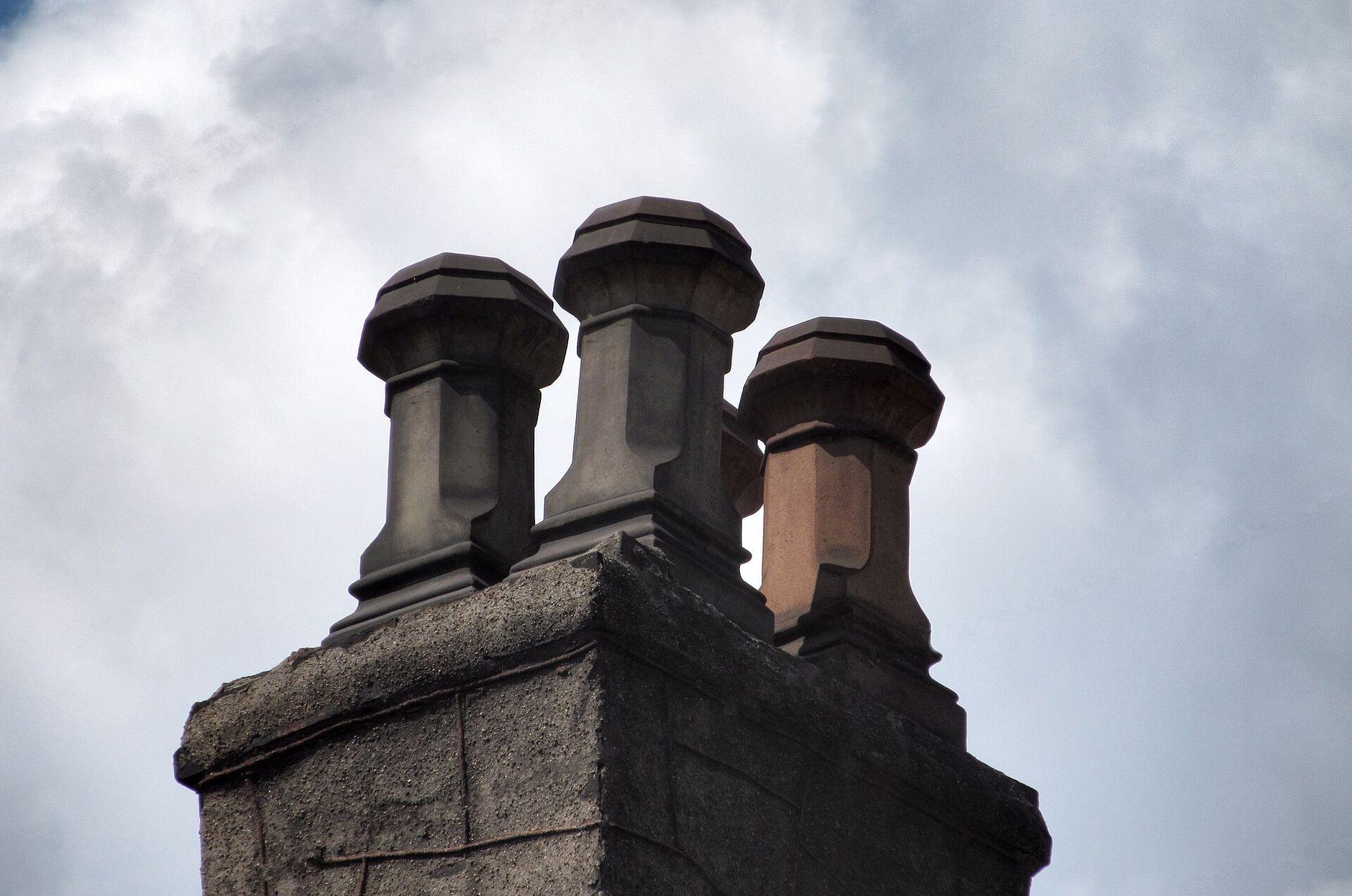
A fireplace that shares a roof
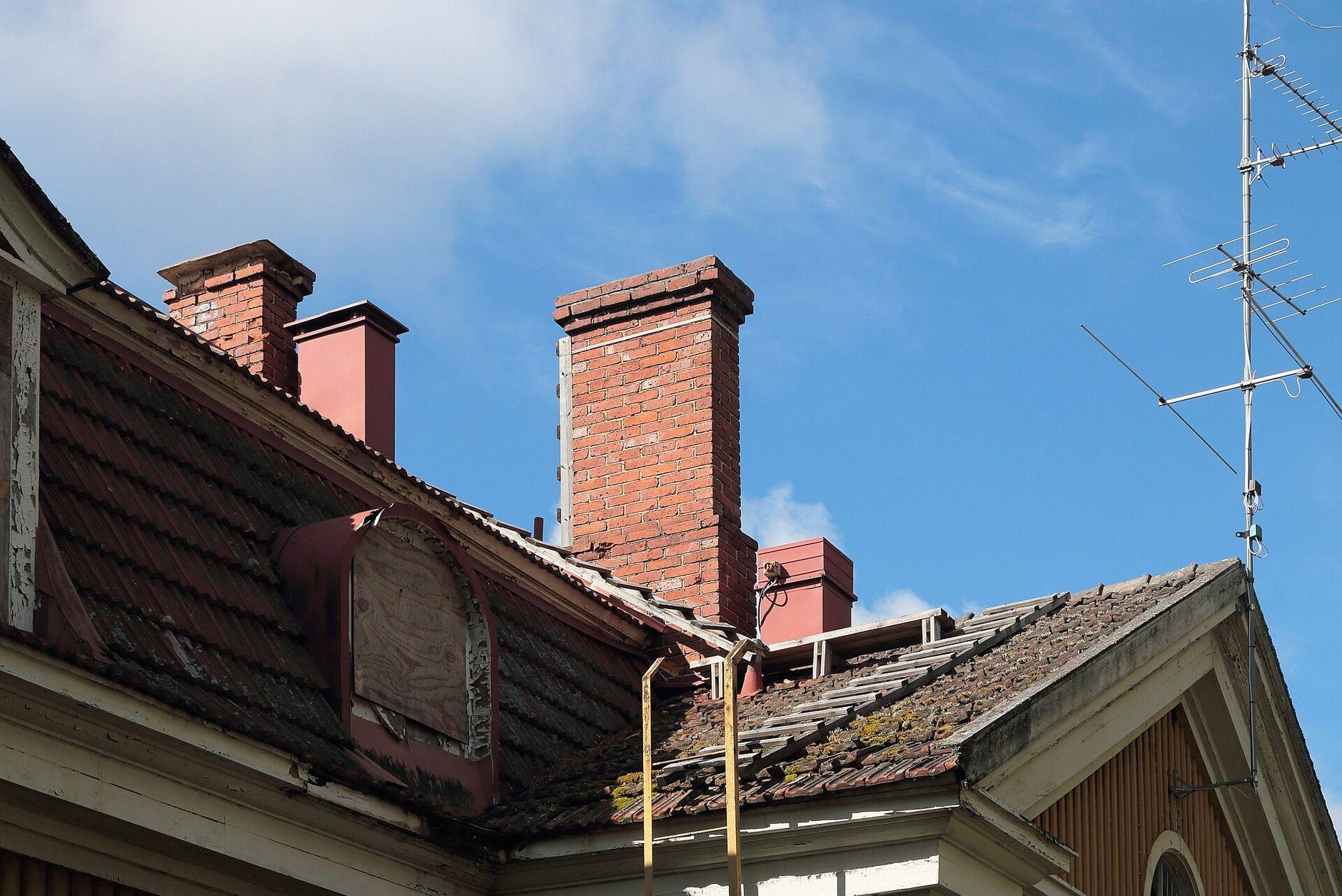
Most fireplaces in Aliso Viejo condos and townhomes are factory-built: a metal firebox set inside a wood-framed chase, with a steel pipe climbing to a cap on the roof. Some attached homes in older nearby communities have brick instead. Either way, a buyer is taking on a fireplace whose flue may pass through a roof, an attic or a wall that the association owns. That shared ownership is why a chimney check before closing matters more for an attached home, not less.
The standard behind the camera
Chimney inspectors in the United States work to NFPA 211. It describes inspections at three depths and ties the middle one to moments when a chimney's past is unknown to the person about to rely on it. Buying a home is the textbook case: whoever lit fires before you, and however often, the flue holds the record and you have not seen it.
Our Level 1, at $160, looks at what is open to view from the room, the roof and the attic. The Level 2, at $380, adds a video scan of the flue from bottom to top. For a purchase we recommend the Level 2, and the rest of this post explains what the extra depth buys you in a building like yours.
What shaking does to a factory-built flue
Brick cracks. Metal pipe does something different. A factory-built flue is a string of sections joined end to end, each locked to the next by a twist or by screws. A strong shake can pull one joint apart inside the chase, bend a section where it passes through a firestop between floors, or shift the firebox on its base. None of that shows from the living room. The cap on the roof can look perfect while the pipe beneath it has separated a few feet down, sending hot exhaust into the framing instead of up and out.
On masonry chimneys the usual finding after a quake is split clay tile, often near the top or where the stack passes the roof. The camera picks up both kinds of damage, which is the whole reason it is there.
What the report hands a buyer
- Frames from the flue, with a note on every joint or tile that matters.
- The condition of the firebox panels, the damper and any glass doors or screen.
- The chase or stack seen from the roof, including the chase cover, the cap and the flashing.
- A clear line between findings that affect safe use and findings that are plain wear.
- For each finding, where it sits: inside the unit, inside the chase, or on the roof.
That last point is what makes a report useful in an attached home. A buyer reading it should be able to see, without a phone call, which items the seller can fix, which the board has to schedule, and which are simply the normal wear of a fireplace that has been used for years.
Who owns the broken part
The association's governing documents decide who maintains what. In many communities the owner keeps the firebox and the inside of the flue, and the association keeps the roof and the outside of the chase. Every association writes its own rules, though, and we do not read them on your behalf. What we do is put each finding in a physical place. Your agent can then take the roof items to management and the unit items to the seller, and nobody argues about which list a crack belongs on.
Prices that come up in purchase talks
The report decides whether the fireplace can be used as it stands, whether a repair belongs in the purchase talks, and whether the association needs to hear about something on the roof. Where a repair carries a published price on this site, the scope uses it:
- Tracing a leak to its source and stopping it: $545 to $3,250.
- A sealed gas heater fitted into the existing firebox: $2,700 to $5,450, for buyers who would rather not burn wood at all.
A replacement cap is quoted on site. Liner sections, firebox panels, chase covers and similar items get a written figure for that unit.
Book the Level 2 for the home you are buying, and note the gate or lockbox arrangement so the visit can go ahead without a second trip.
Fitting it inside the contingency
Contingency periods are short and the chimney is one item among many. Ask for the visit early, once you know who can open the door, so the report is in hand while there is still room to negotiate. Name everyone who should receive a copy when you book; the agents on both sides often want it. Our home sale inspection page covers access, copies and the split between unit and association in more detail, and agents booking for a client can start on the agents' page.
Gas units are not exempt
A gas fireplace in a sealed box still vents through a pipe, and that pipe still passes through framing. We check the valve, the burner, the log set or glass, and the vent from the firebox to the cap. If the camera finds a slipped joint on a gas vent, it is the same problem as on a wood flue: exhaust going somewhere it should not.
After the keys
Keep the report. It is a dated record of the fireplace on the day you bought it, and after the next quake it gives whoever inspects a baseline to compare against. A joint that has not moved in years tells a different story from one that has opened since closing.
When you have a property in Aliso Viejo, Mission Viejo or elsewhere in south Orange County and a way in, the request goes through our contact page.
Reading About It Is One Thing
Travers Chimney Company looks at your own chimney for movement, cracks and leaks, then puts the findings and any repair price in writing. Visits run from Aliso Viejo across Orange County.