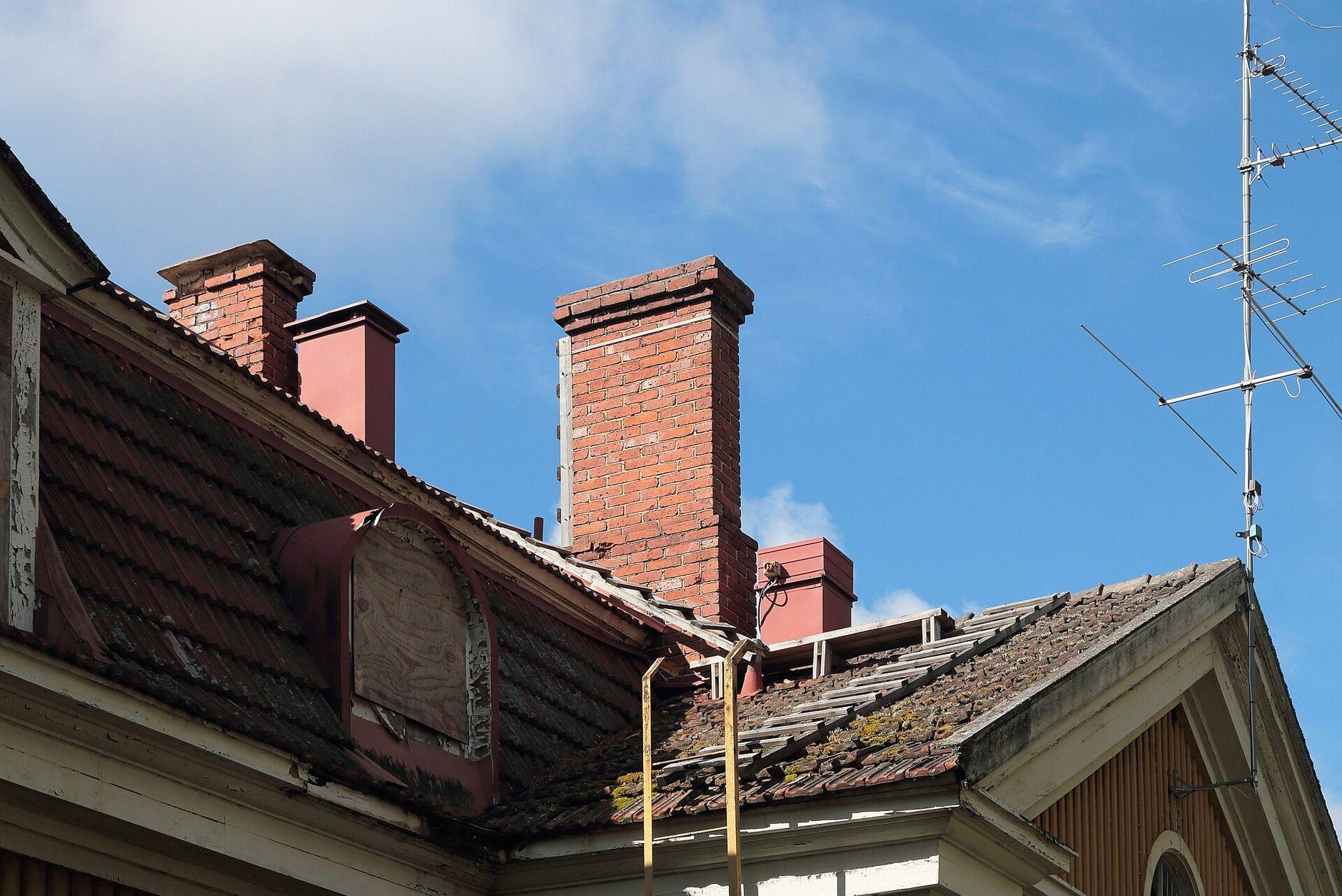
Three neighbours, three figures
Ask three owners in Aliso Viejo what their chimney rebuild cost and the answers can sit thousands of dollars apart. None of them has to be wrong. A rebuild is priced by how much brick comes down, how much goes back up, and what turns up in between. This guide sets out those parts in the order we weigh them, so that a written quote, ours or anyone's, reads as a list of decisions rather than one figure you have to take on trust.
We do not publish a rebuild price. The amount of masonry involved swings too widely from one house to the next for a single number to mean anything. What we do publish is the visit that comes first: a Level 2 inspection with a video scan, at $380. That camera run is what turns a guess about the damage into a measured scope.
Why shaking loosens the top of a stack first
A masonry chimney stands up because of its own weight. Mortar keeps the courses in line, but very little pins the column to the house: a few metal ties on some stacks, none at all on others. The framed walls and roof beside it are springy by comparison. When the ground rolls, the timber flexes and the brick resists, so the two swing out of step.
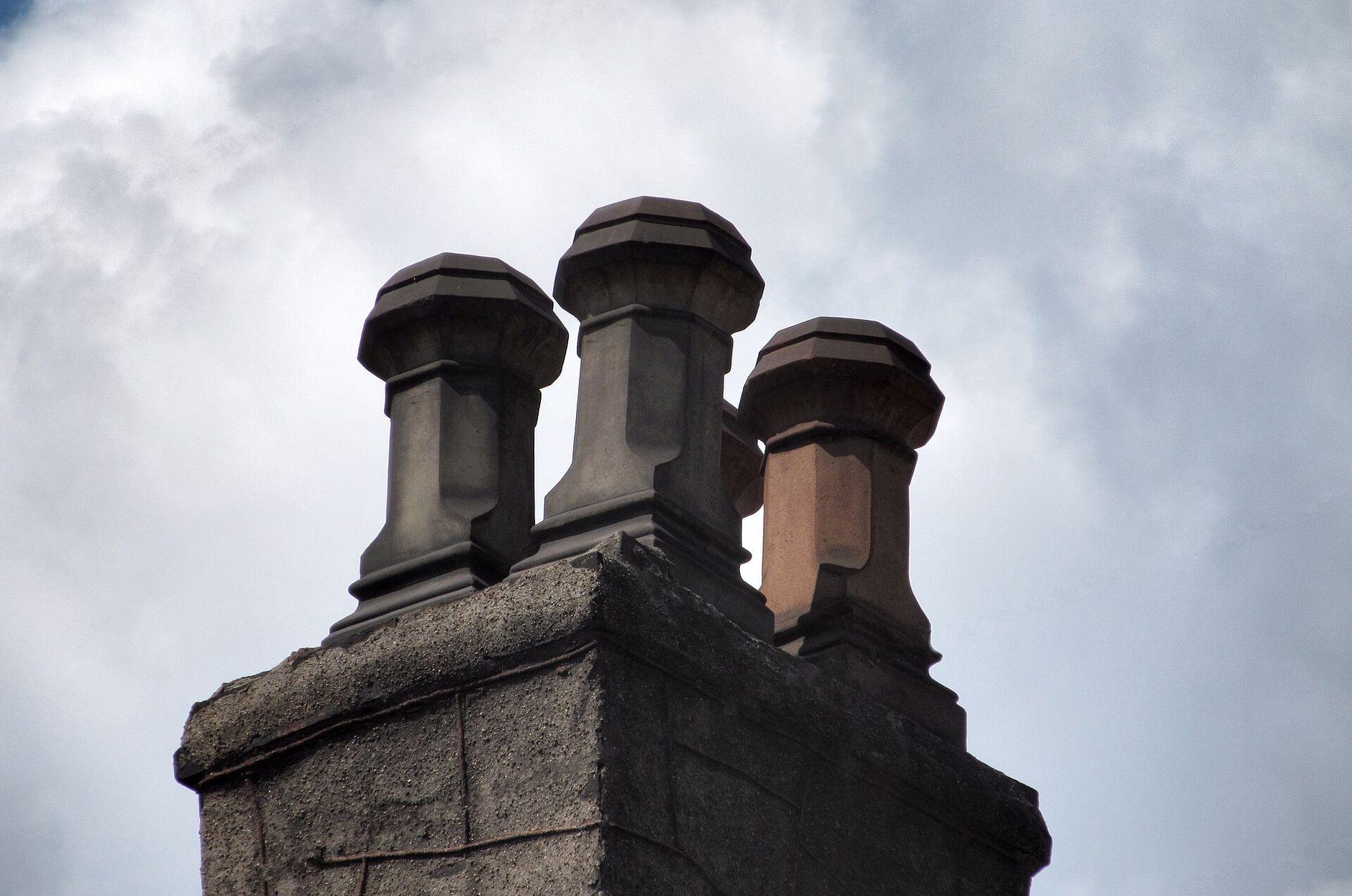
Above the roofline the brick has no framing around it at all. That free-standing section works like a lever on the mortar joint at its base, which is why quake damage so often shows up as a level crack a little above the shingles. Below the roof, the stack is boxed in by rafters, ceiling joists and wall studs, and tends to come through in better shape, though joints there can still open and the clay tile inside can still split.
So when we price a rebuild, we are asking one question at every level of the chimney: is this brick still knitted to its neighbours, or is it only sitting there?
The parts that set the figure
- Courses taken down and relaid. The height of brick we dismantle and rebuild is the biggest single cost. A stack that needs only its free-standing top is a far smaller job than one that is loose down into the attic.
- What the stack carries inside. A chimney that also serves a furnace or a second hearth holds more than one run of tile, and each run has to be set true as the brick rises around it.
- Brick supply. Sound original brick goes back in where we can save it, which keeps the look. Where too much has broken, we source a close match, and that is a material cost.
- Roof type and height. Concrete or clay roof tile has to be lifted and reset around the work. A two-storey roof on a slope needs more staging than a single-storey one.
- The new top. Every rebuild through the roof finishes with fresh flashing where brick meets roofing, a new crown and a cap. Those are lines inside the rebuild quote, not surprises at the end.
- Steel. Where we rebuild, we can set reinforcing bar into the new courses and tie the stack back to the framing. It gets its own line so you can see what it adds.
If those points already describe your chimney, ask for a Level 2 and a rebuild scope. Mention where you have seen cracks and whether the fireplace has been lit since the last shake.
Repair, a rebuilt top, or more
Not every cracked chimney needs to come down. The camera, the roof and the attic sort most stacks into one of three groups.
When the brick is tight and only the joints have opened, masonry repair is the right job. Failed mortar is cut out and repacked, and the chimney keeps every original brick.
When the band above the roof has broken loose but the brick below still holds firm, we take the top apart to the first solid course and relay it. On many houses this is the most common quake repair, and it is where reinforcing steel earns its place.
When movement shows inside the attic as well, or the flue tile has split along much of its height, the rebuild goes deeper. Those jobs sit at the top of any range, and they are the ones where a careful inspection saves the most money, because the scope is fixed before anyone climbs up with a hammer.
A few owners who no longer burn wood ask about removing the stack below the roofline and closing the roof over it. We price that as well, and it sits on the quote beside the rebuild so the two can be compared on paper.
The figures we can name now
Some parts of a rebuild carry a published price on this site, and they appear in the quote at these figures:
| Item | Price |
|---|---|
| Camera inspection of the full flue (Level 2) | $380 |
| Sloped diverter behind a wide stack, with new flashing | $655 to $1,600 |
A cap fitted to the finished top is quoted after we measure. Everything else in a rebuild depends on the brick count and the access, and becomes a written line once we have measured.
What the scope spells out
A rebuild scope from Travers Chimney Company names the course where we plan to stop, the brick going back in, the mortar mix, the steel, the flashing and the cap. It also says, in plain words, how a change would be handled if the masonry under that course proves weaker once it is opened. You agree to nothing until you have read it.
If you are buying the house, or an insurer is involved, the Level 2 report and the scope travel well together: one shows what the camera saw, the other says what it costs to put right. Our chimney rebuilds page covers the work itself, and the seismic retrofit page explains the steel options in more depth.
Before the next fire
If a stack has visible cracks near the roof, leave the fireplace cold until it has been looked at. Heat and smoke find their way through broken tile, and a loose top weighs more than it looks. When you want your own chimney measured and priced, the contact page is where to start.
Reading About It Is One Thing
Travers Chimney Company looks at your own chimney for movement, cracks and leaks, then puts the findings and any repair price in writing. Visits run from Aliso Viejo across Orange County.