A crack nobody can see from the roof
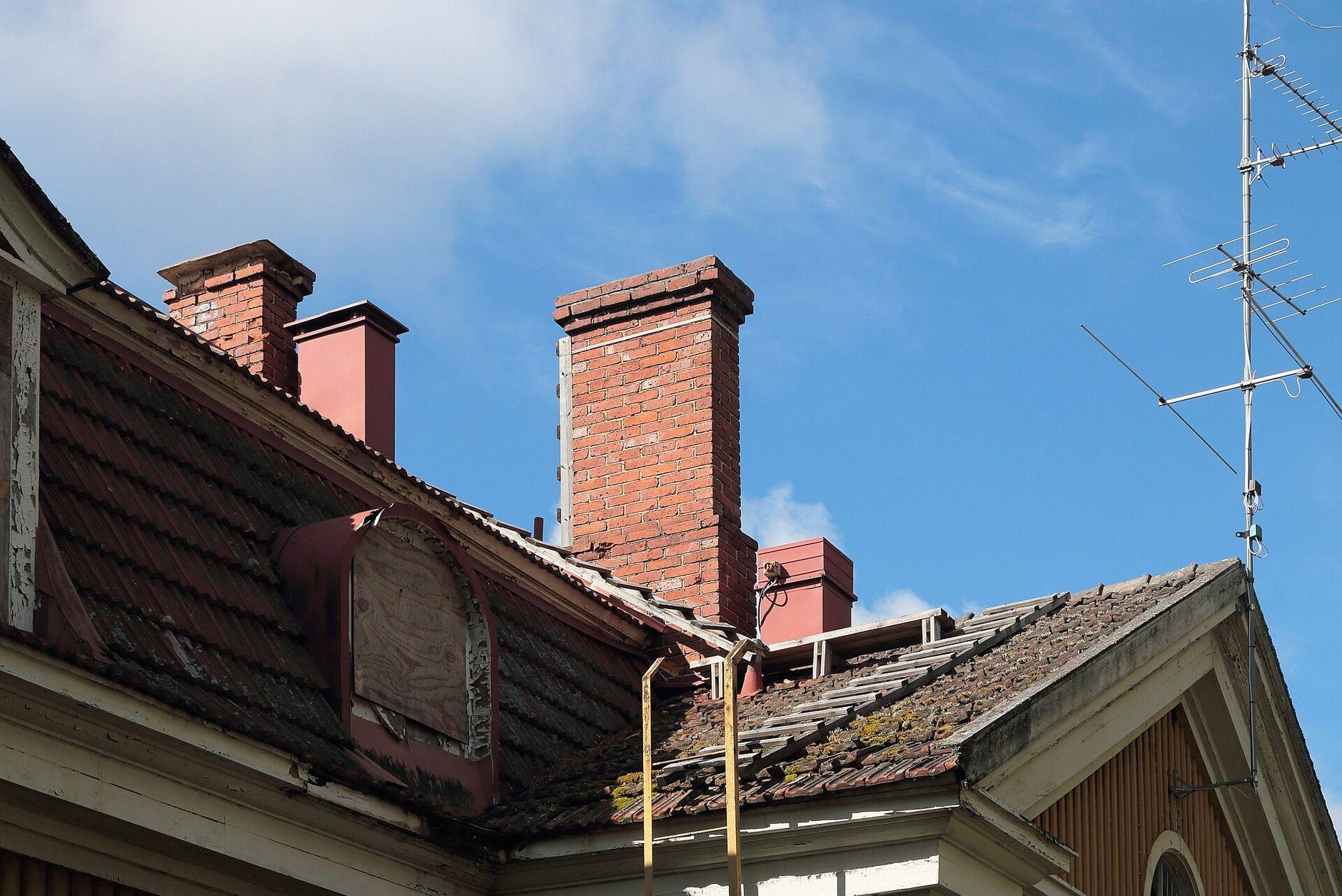
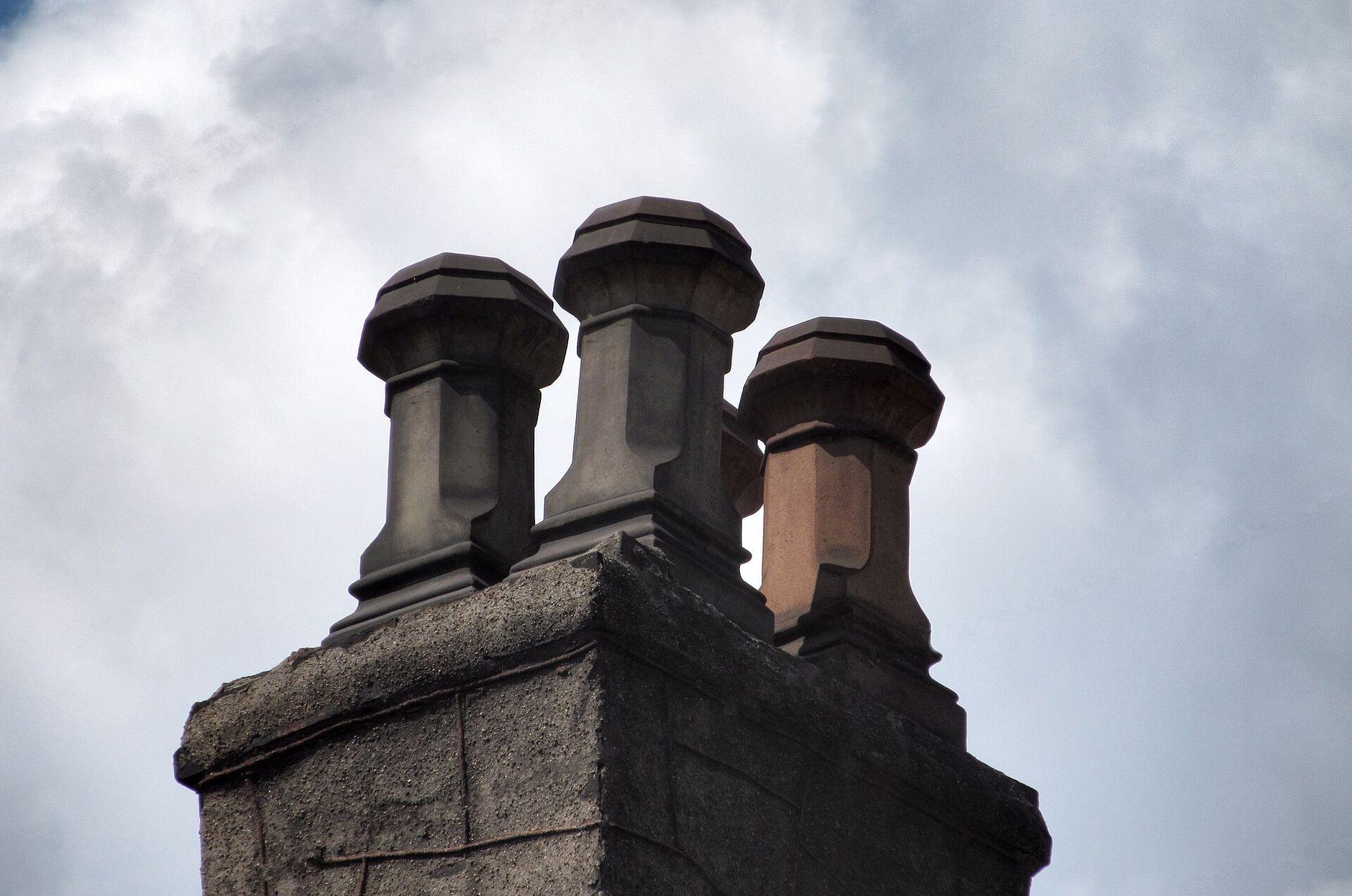
Clay flue tile is stacked inside a brick chimney in short sections, one on top of the next, with mortar at each joint. The tile is hard and brittle. The brick around it is heavier and moves differently. When a quake rocks the stack, the tile column gets squeezed and twisted inside a box that is moving to its own beat, and something has to give. Usually it is the tile: a section splits down one face, a joint shears and slides out of line, or a corner breaks off and drops onto the smoke shelf.
From the roof, the chimney can look untouched. From the room, the fireplace works as it always did. The only way to see split tile is to put a camera inside, which is why a Level 2 inspection, $380 with us, is where every relining job in Aliso Viejo starts.
Why a broken tile matters
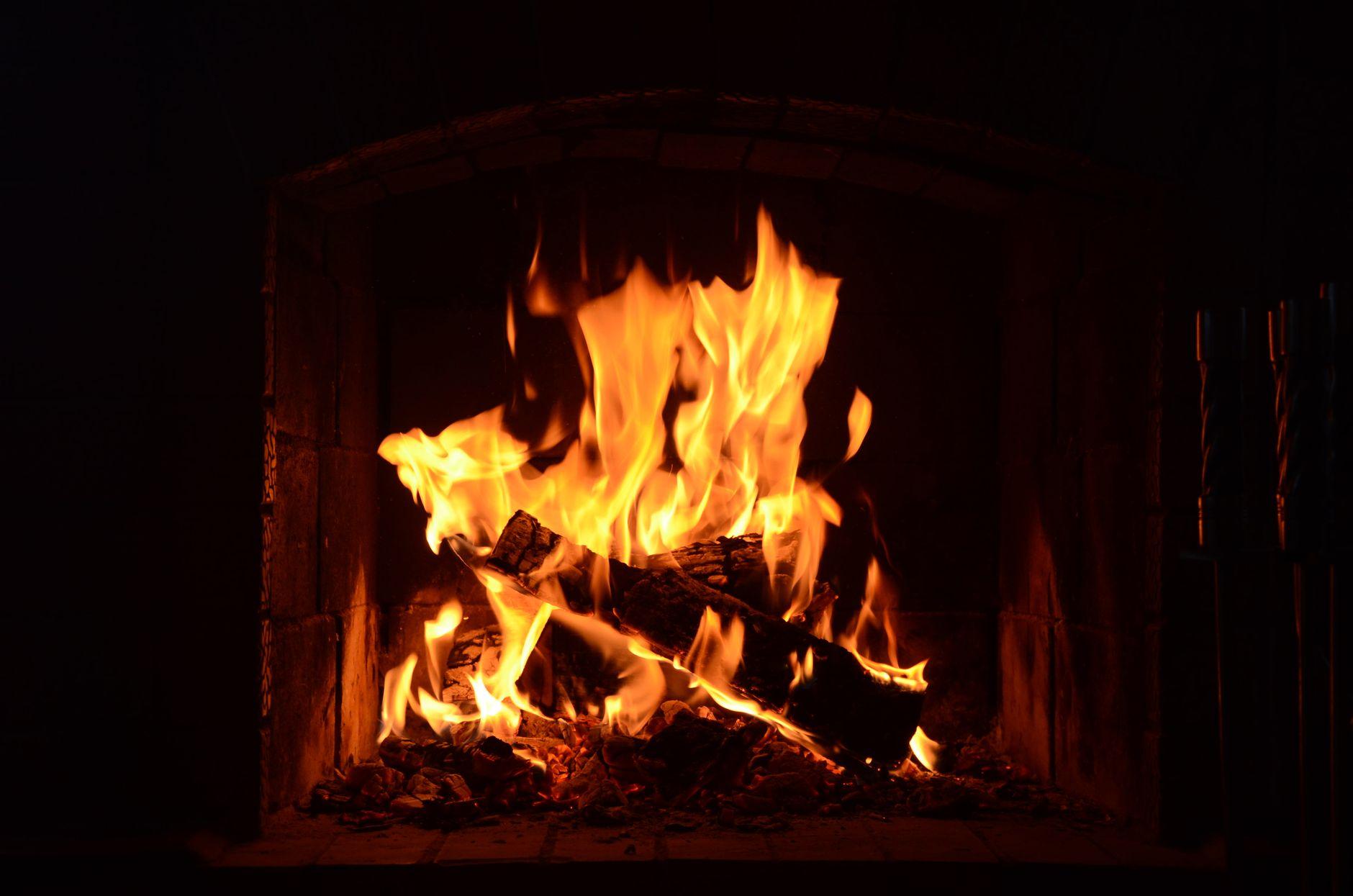
The tile is there to keep the fire's heat and gases inside a sealed passage all the way up. Once a section is split or offset, that passage has a hole in it. Heat reaches the brick behind, and on some chimneys the brick is all that stands between the flue and wood framing. On a gas appliance, exhaust that escapes through a broken joint can find its way into the house. Neither shows up as smoke in the room until something has already gone wrong.
That is why a report with split tile on it usually says the fireplace should stay cold until the flue is put right.
What the camera shows us
When the camera runs, we look for four things:
- Vertical splits down a tile face, often several sections in a row on the side facing the roof.
- Offset joints, where one tile has slid sideways off the one below.
- Missing mortar at joints, leaving gaps that let heat and gases through.
- Fallen pieces sitting on the smoke shelf, which tell us something broke higher up.
Each finding is recorded with its height in the flue, so the scope can say exactly where the damage sits.
Damage tends to cluster. Tile near the top, where the stack is free of the roof, often splits first, and a second group of cracks may sit where the chimney passes the ceiling line. Knowing both heights lets us judge whether the brick around those points has moved too, which decides whether a liner alone is enough.
The usual answer: a new liner inside the old flue
Replacing clay tile means taking the brick apart around it, which is really a rebuild. In most chimneys the better answer is to leave the broken tile where it is and run a new stainless steel liner inside it, from the firebox or appliance to the top. The new liner becomes the sealed passage; the old tile and brick become the casing around it.
For an open wood fireplace, the liner has to be large enough for the opening, and an older fireplace with a wide mouth may need an oval or rectangular section to carry enough air. For a gas heater set into the firebox, the liner is sized to the appliance. Insulation is added where the space between liner and brick calls for it, and the top is closed with a plate and a cap.
What moves the figure
We do not list one relining price. These are the parts that change it:
- Height of the run. A single-storey home needs a shorter liner than a two-storey one.
- Shape and size of the old flue. A narrow or odd-shaped flue may need a smaller or oval liner, or some tile cut back to make room.
- What burns below. A wood fire, a gas log set and a sealed gas heater each call for a different liner and fittings.
- Bends. Some flues kink to clear a beam or a room upstairs, and the liner has to follow.
- Insulation. Some chimneys need the liner wrapped to keep the right gap to the brick and framing.
- What else the camera found. If the crown is broken or the top courses are loose, those come first, and they sit on the scope as separate lines.
Ask us for a relining scope. If you already have a Level 2 report from another company, say so in the form and tell us what it found; we may still want to run our own camera before we commit to a size.
Prices you can see now
Relining itself gets a written figure for your chimney. The items that often sit beside it on the same scope do carry published prices on this site:
| Work | Price |
|---|---|
| Level 2 camera inspection | $380 |
| Sealed gas heater in the current firebox, vented through a new liner | $2,700 to $5,450 |
A cap over the new liner is quoted after we measure.
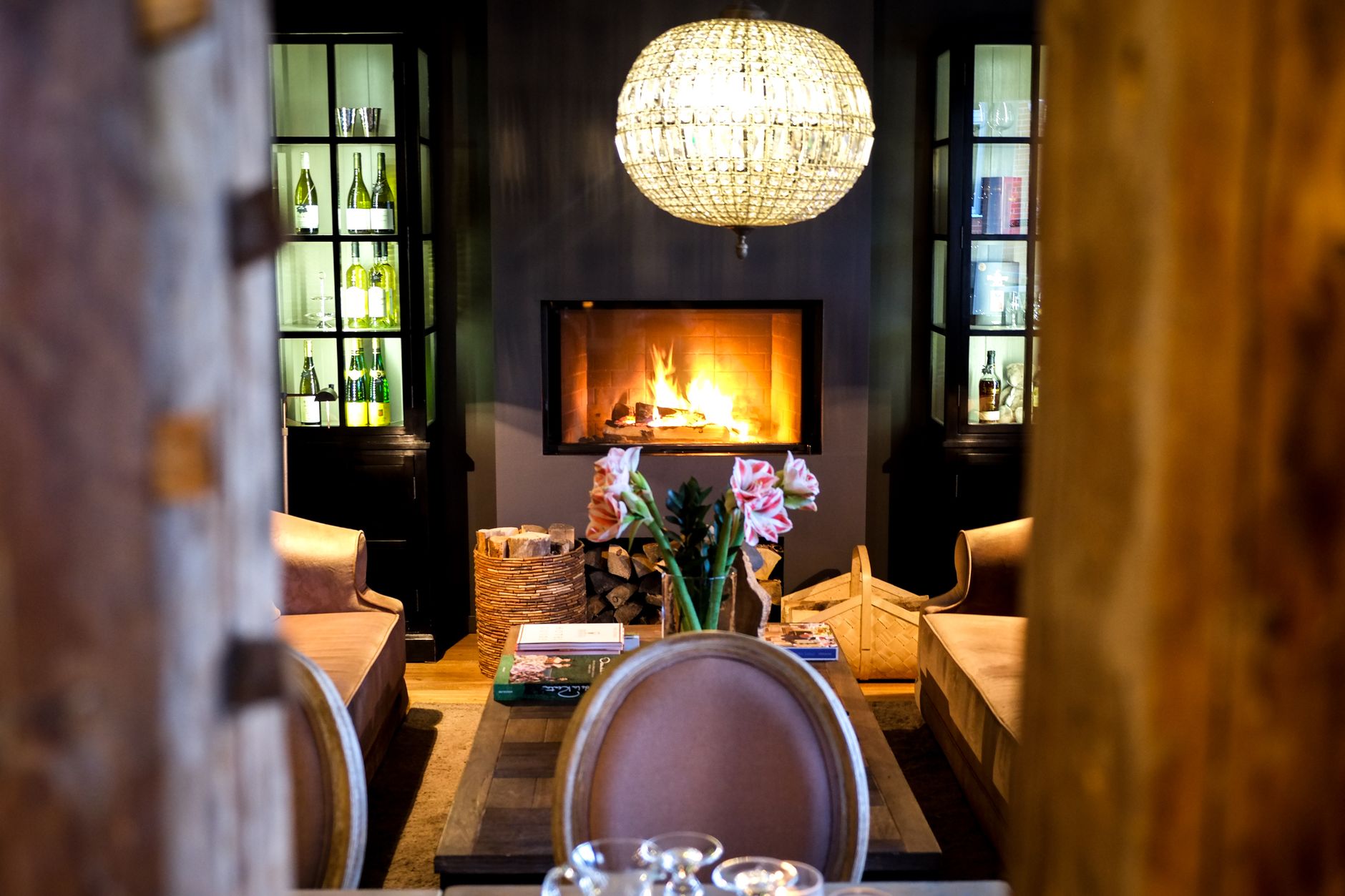
Owners who were already thinking about giving up wood sometimes use the moment to switch to gas, since the old flue needs a liner either way.
Reline or rebuild?
If the brick around the tile is still sound and tight, relining is almost always the smaller job. If the stack has broken loose above the roof or the attic, a rebuild of that section comes first, and the liner goes in after. The camera report usually makes that call obvious, and when it does not, the scope shows both options side by side.
Before the next fire
Split tile is not a reason for alarm, but it is a reason to stop lighting fires until it is dealt with. More on the work itself is on our liner installation page. When you want your own flue checked, the contact page is the place to send the address.
Reading About It Is One Thing
Travers Chimney Company looks at your own chimney for movement, cracks and leaks, then puts the findings and any repair price in writing. Visits run from Aliso Viejo across Orange County.